
Sim-ready 3D assets at scale. Validate in sim; finally.
Turn images into photorealistic, physics-tagged, tested 3D assets — plus thousands of variations, on demand. Test against the maximum range of objects your robot might encounter, not the handful you had time to 3D model.
Image → sim-ready. API or web app.
 Isaac SimIsaac Lab

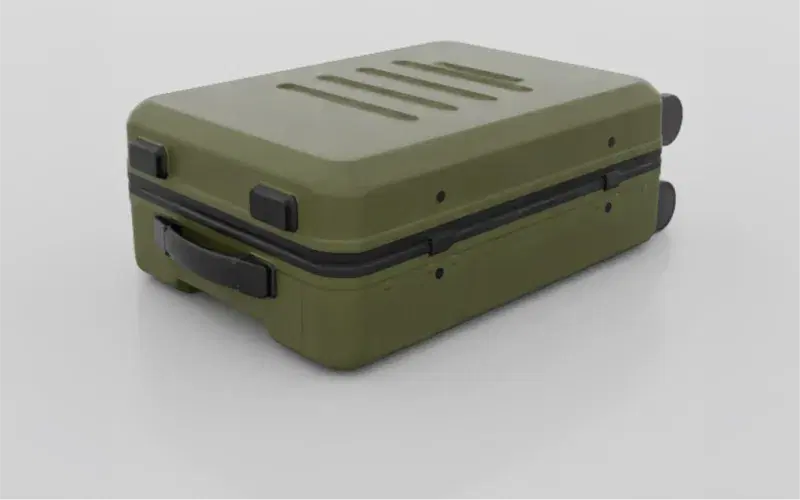


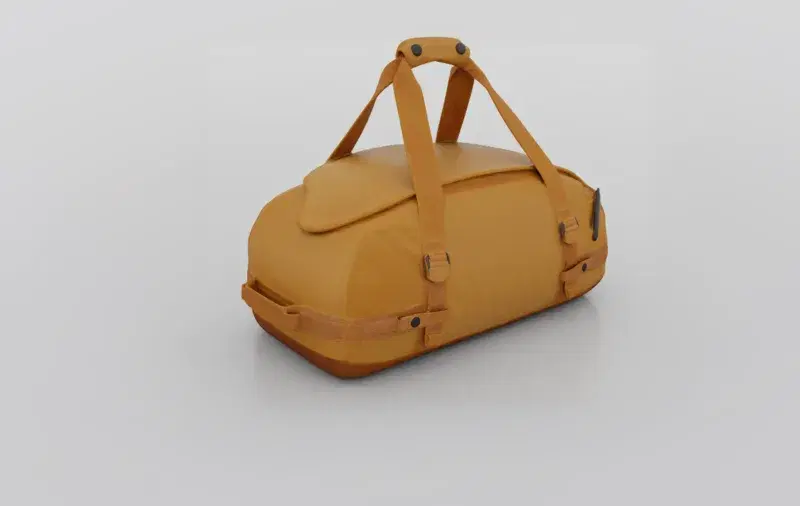



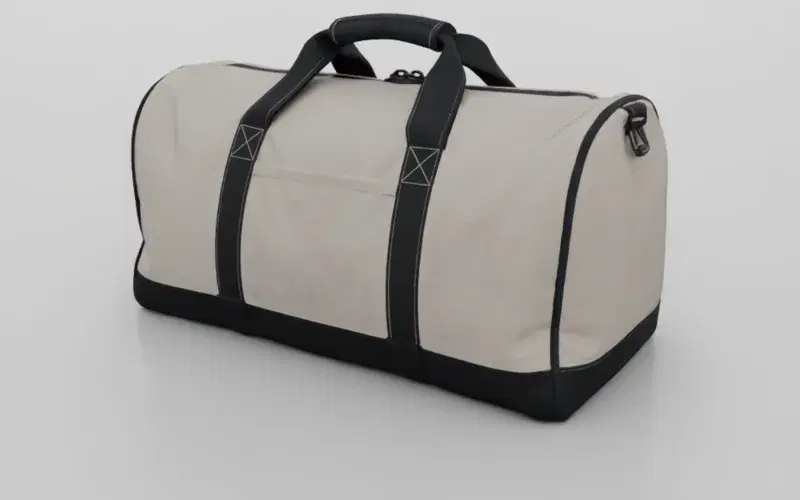


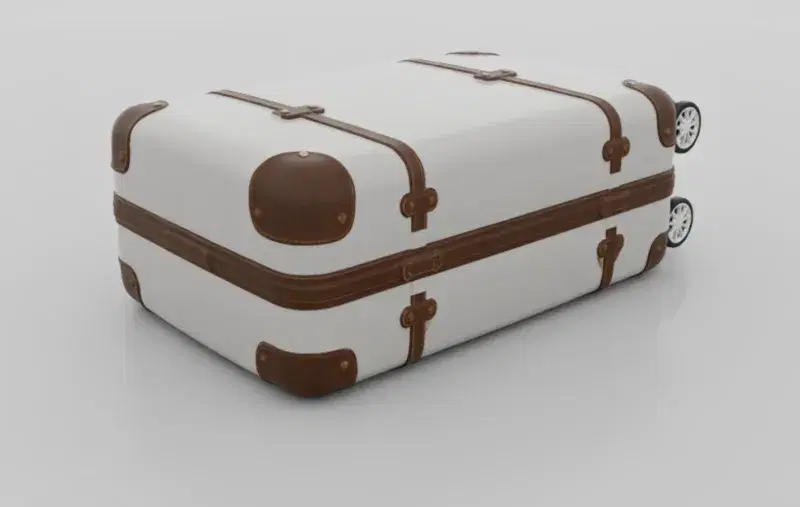
There has been no source for custom, sim-ready 3D at scale. Until now.
Simulation is only as good as what you put in it. Today, every object is manually CAD-modelled by an engineer before you can run a single test. Existing providers don’t fix this, they all run manual pipelines: expensive, slow and impossible to scale to the coverage real testing demands.
So teams train policies on the handful of objects they had time to model, and validate against a fraction of what their robots will actually encounter. Blind spots stay hidden until deployment, and failures show up in front of customers instead of in a test run — the opposite of what simulation is for.



 testedknown blind spotuntested
Generate sim-ready 3D on demand, give your robot maximum scenario coverage.
Send images, get back physics-tagged, tested 3D assets — in thousands of variations, on demand. Integrate the API directly into your existing pipeline, or use our web app to submit inputs and download 3D assets. Scenario coverage becomes a parameter you turn up.











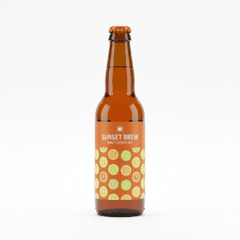












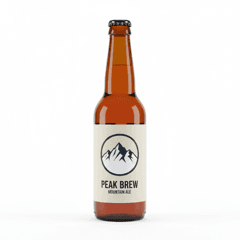


Train on the full distribution — including the edge cases.
Edge conditions that only surface after millions of real-world actions — in the distribution from day one, generated, not waited for.
Ship on evidence, not a sample.
Pre-deployment testing across hundreds of objects and variations at a scale that used to be an expensive sampling exercise.
Re-run everything on every change.
Wide validation becomes a standing regression suite, not a one-off report.
Image in. Sim-ready 3D out.
 Add
Add
Accepted inputs
 mass 240gfriction 0.62restitution 0.18
validated geometry | photorealistic textures | physics assigned
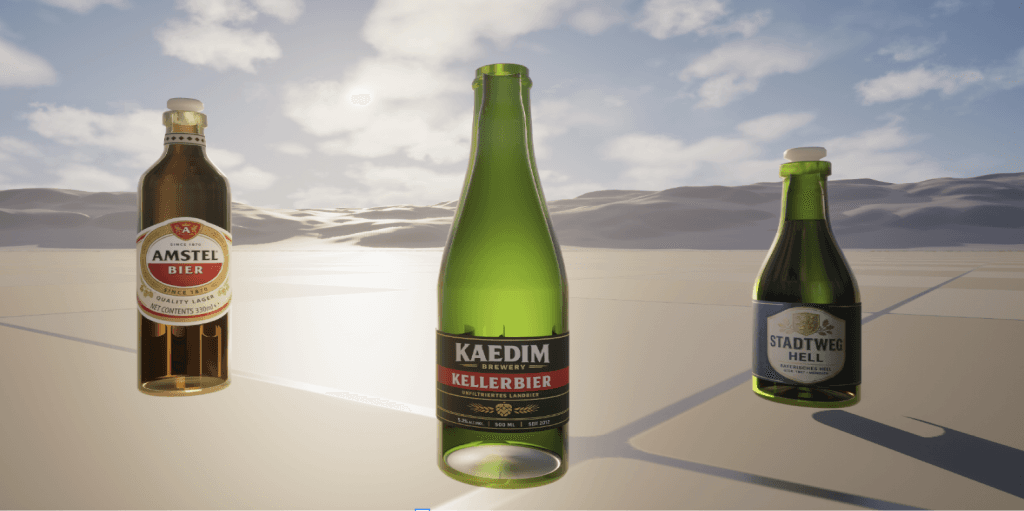
Not just a mesh that looks right in a viewer
Every asset ships with the properties the physics engines need — and the validation to back them up.
Rigid bodies, deformables, and articulated objects (joints, hinges, drawers, tools).
A separate collision mesh accompanies the visual mesh. This geometry can be generated through convex-hull, convex-decomposition, or SDF. By default, we automatically determine which collision geometry is ideal for the subject matter based on its complexity and geometric features. The inertia tensor is derived from the collision geometry and authored mass, assuming uniform density — so it stays consistent with the mass and shape your solver uses.
Watertight/manifold status is checked per asset — deterministic.
Static and dynamic friction, for both rigid objects (mass, inertia, friction, restitution, collision geometry) and deformables (stiffness/Young's modulus, damping). See how we calculate and validate these values below.
USD/OpenUSD out
Native in Isaac Sim, Isaac Lab, and Newton (incl. MuJoCo physics via MuJoCo-Warp). Also supported today: MJCF for classic MuJoCo, SDF for Drake, URDF + OBJ, .blend, textured FBX and .uasset for Unreal.
Physics QA — measured, gated, benchmarked
Every object goes through our physics QA pass before it reaches you.
Drop-tested in the target engine
PhysX/Isaac Sim or Newton — and graded on rest stability, bounce, settle time, penetration, and squash/recovery for deformables, against acceptance gates set per body type and material class. An optional ramp test measures effective contact friction.
Domain randomization at scale
Vary the domains that matter — geometry, texture, and physical properties (e.g. mass) — for thousands of variants per object. Randomized datasets are versioned. Mass randomization is seeded, so a mass-varied set is defined by its seed and dataset version. Re-run the exact same test suite on every change and trust that a regression is a real regression, not sampling noise.
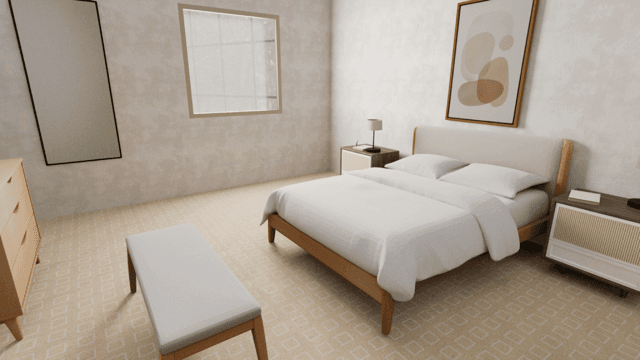
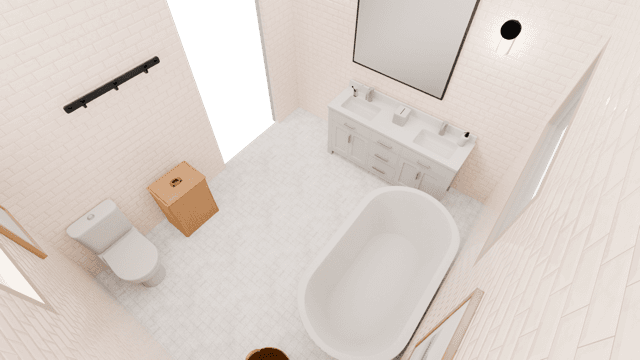
Photograph a real environment, get it back sim-ready — with every object in it individually manipulable.
Each object in the shot is rebuilt as a full asset through the same pipeline as everything above — geometry, textures, physics tags, QA-gated in your target engine — then recomposed into the pictured layout. One photo in, one scene your robot can pick up, open, and move through — not just look at.
Explore scenesYour data stays yours
 Full IP ownership of every outputAll inputs are kept confidentialProjectSim is ISO 27001 certified
 Full IP ownership of every outputAll inputs are kept confidentialProjectSim is ISO 27001 certified
One pipeline, three ways in
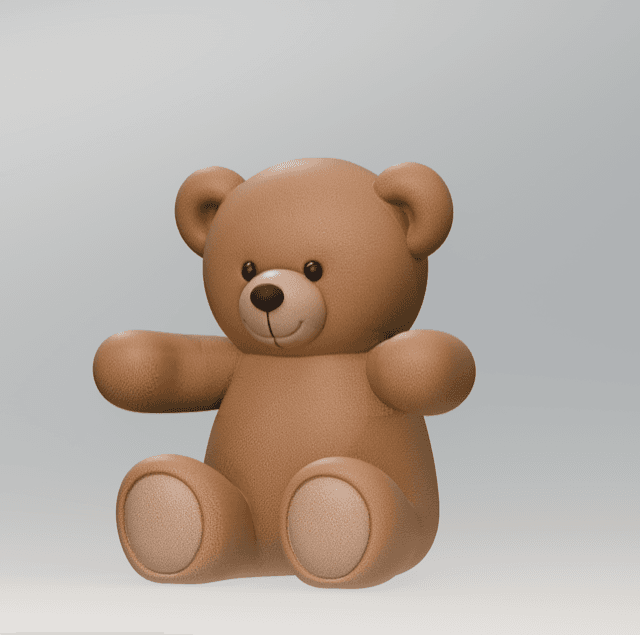

Image → sim-ready
Off the shelf and fully automated. Integrate into your pipeline, or use the web app for direct download.
Image to sim-readyCustom datasets
Off the shelf and fully automated. Integrate into your pipeline, or use the web app for direct download.
Custom datasets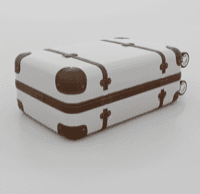
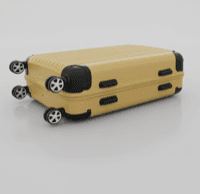
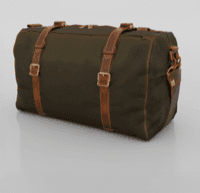
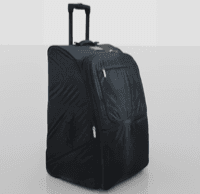
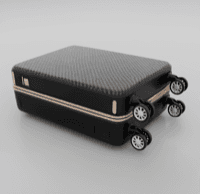
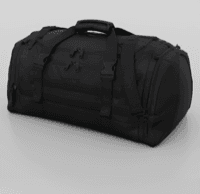
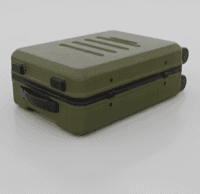
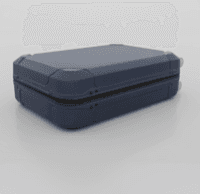
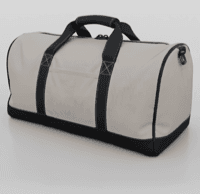
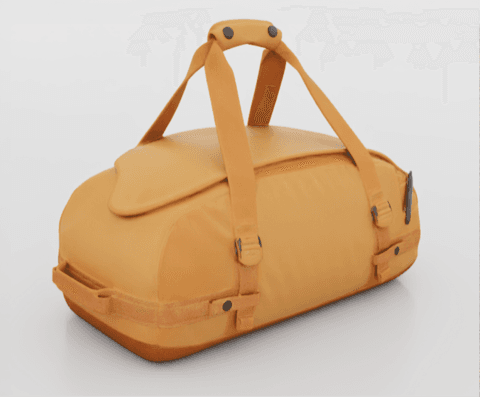
A bedroom with a bed, two nightstands, and a wardrobe in the corner of the room

Give your sim meaningful coverage
Start turning images into sim-ready 3D at scale.
Get API access